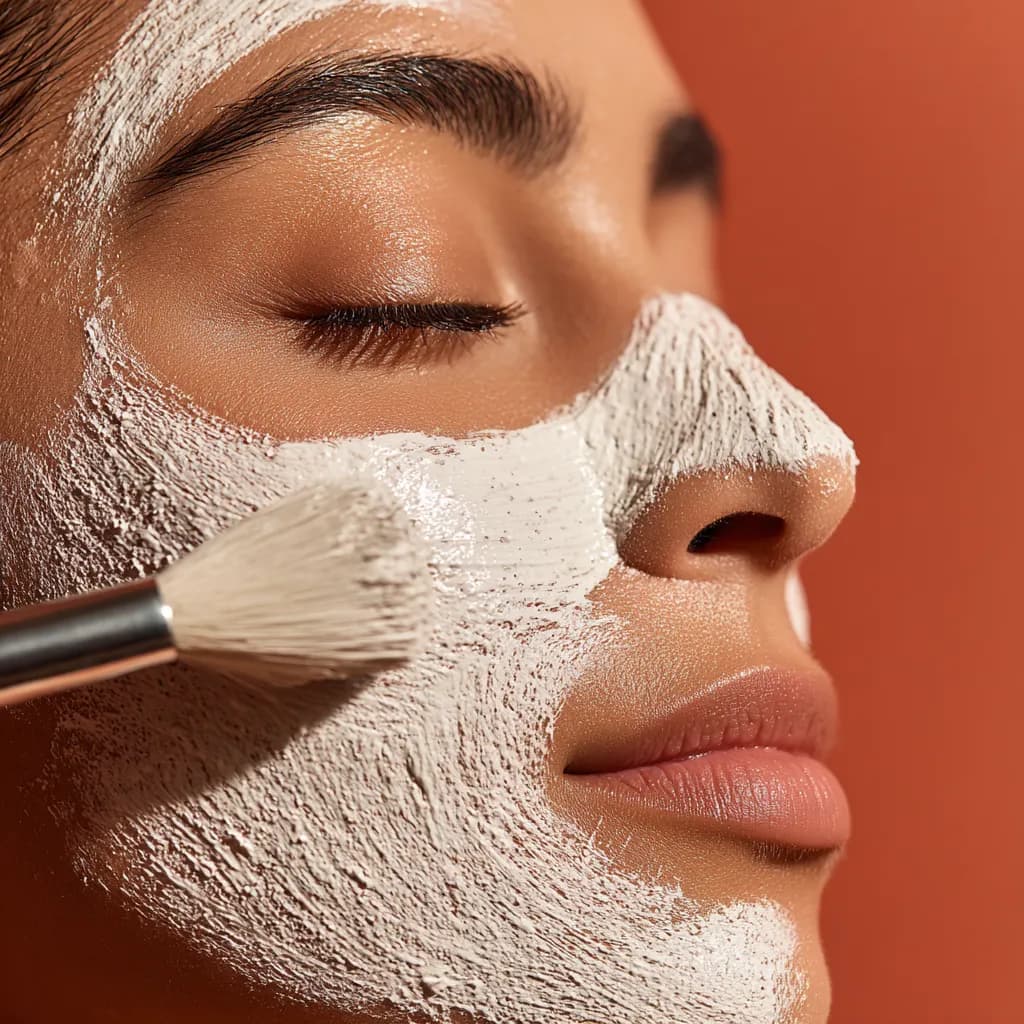
Your skin barrier (also called the acid mantle or moisture barrier) is the outermost layer of your epidermis. It's a complex structure of lipids, ceramides, and dead skin cells that acts as your body's first line of defense. When it's healthy, your skin looks smooth, hydrated, and resilient. When it's compromised, problems cascade quickly.
What the Skin Barrier Does
Think of your skin barrier as a brick wall: - Bricks: Corneocytes (dead skin cells packed with natural moisturizing factors) - Mortar: Lipid matrix (ceramides, cholesterol, fatty acids) - Function: Keeps good stuff in (water, nutrients) and bad stuff out (bacteria, pollutants, allergens)
A healthy barrier maintains a slightly acidic pH of 4.5-5.5, which supports beneficial bacteria and enzymes while inhibiting harmful microorganisms.
Signs Your Barrier Is Damaged
- Persistent dryness despite moisturizing
- Redness and sensitivity to products that didn't bother you before
- Stinging or burning when applying skincare
- Increased breakouts (compromised barrier = bacteria gets in)
- Rough, flaky patches
- Skin feels tight after cleansing
- Products seem to stop working
Common Causes of Barrier Damage
- Over-exfoliation: Too many acids, scrubs, or retinol
- Harsh cleansers: Sulfate-heavy products that strip natural oils
- Hot water: Dissolves protective lipids
- Environmental stress: Wind, cold, pollution, dry air
- Over-washing: Cleansing more than twice daily
- Product overload: Too many active ingredients at once
How to Repair Your Barrier
Step 1: Simplify Your Routine Strip back to basics: gentle cleanser, moisturizer, SPF. That's it. No actives, no exfoliants, no toners with alcohol.
Step 2: Focus on Barrier-Repair Ingredients - **Ceramides**: Replace the lipid mortar - **Niacinamide**: Strengthens barrier function and reduces water loss - **Squalane**: Mimics your skin's natural sebum - **Centella asiatica**: Calms inflammation and promotes repair - **Panthenol (vitamin B5)**: Hydrates and soothes
Step 3: Be Patient Barrier repair takes 2-4 weeks minimum. Don't be tempted to add actives back too quickly.
Step 4: Professional Support A hydrating professional facial can accelerate barrier repair. At Nika Skincare, our hydrating facial includes barrier-repair masks and serums that deliver concentrated restoration you can't achieve at home.
Prevention Is Key
Once your barrier is restored: - Introduce actives one at a time, slowly - Never use more than 2-3 active ingredients in one routine - Always follow exfoliation with hydration - Listen to your skin — if it stings, stop and simplify