Dermaplaning vs Microdermabrasion
Two popular exfoliation methods, two very different approaches. One uses a blade, the other uses suction. Here's how they compare and which one you should choose.
Dermaplaning and microdermabrasion are both professional exfoliation treatments that remove dead skin — but they couldn't be more different in technique. Dermaplaning uses a sterile surgical blade to manually scrape away dead cells and peach fuzz. Microdermabrasion uses a diamond-tipped device with suction to vacuum away the outer skin layer. Both deliver smoother, brighter skin, but the ideal choice depends on your specific concerns, skin sensitivity, and whether peach fuzz removal matters to you.
Head-to-Head
Dermaplaning vs Microdermabrasion
See how these two treatments compare across every important factor.
| Factor | Dermaplaning | Microdermabrasion |
|---|---|---|
| Method | Sterile surgical blade (manual) | Diamond-tipped suction (mechanical) |
| Treatment Time | 45 minutes | 45 minutes |
| Removes Peach Fuzz | Yes — a major bonus | No |
| Downtime | None | None |
| Discomfort | None — feels like a light scraping | Minimal — light suction |
| Results Visible | Immediately | Immediately |
| Sessions Needed | Monthly maintenance | 4-6 for optimal results |
| Price Range | $100-$130 | $150-$200 |
| Best For | Peach fuzz, dullness, makeup prep | Texture, fine lines, product absorption |
| Active Acne Safe? | No — blade can spread bacteria | No — suction can irritate |
Method
Dermaplaning
Sterile surgical blade (manual)
Microdermabrasion
Diamond-tipped suction (mechanical)
Treatment Time
Dermaplaning
45 minutes
Microdermabrasion
45 minutes
Removes Peach Fuzz
Dermaplaning
Yes — a major bonus
Microdermabrasion
No
Downtime
Dermaplaning
None
Microdermabrasion
None
Discomfort
Dermaplaning
None — feels like a light scraping
Microdermabrasion
Minimal — light suction
Results Visible
Dermaplaning
Immediately
Microdermabrasion
Immediately
Sessions Needed
Dermaplaning
Monthly maintenance
Microdermabrasion
4-6 for optimal results
Price Range
Dermaplaning
$100-$130
Microdermabrasion
$150-$200
Best For
Dermaplaning
Peach fuzz, dullness, makeup prep
Microdermabrasion
Texture, fine lines, product absorption
Active Acne Safe?
Dermaplaning
No — blade can spread bacteria
Microdermabrasion
No — suction can irritate
Which Is Right for You?
Best Candidates for Each Treatment
Every treatment has its ideal client. Find out which one fits your needs.
Choose Dermaplaning If You Want
- Removing peach fuzz (vellus hair)
- Pre-event or pre-wedding skin prep
- Flawless makeup application
- Those who want the smoothest possible skin surface
- Dry or dull skin needing instant brightness
- Clients who prefer a gentle, manual approach
Choose Microdermabrasion If You Want
- Fine lines and mild wrinkles
- Enhancing skincare product absorption
- Treating rough texture and uneven tone
- Sun-damaged or photo-aged skin
- Those building a long-term treatment series
- Clients who want deeper exfoliation than dermaplaning
Pros & Cons
The Full Picture
Every treatment has trade-offs. Here's an honest look at both.
Dermaplaning
Pros
- Removes peach fuzz — microdermabrasion can't do this
- Creates the smoothest possible skin surface
- Makeup applies flawlessly after treatment
- Completely painless — most clients find it relaxing
- Most affordable advanced exfoliation option
- No suction means less risk for sensitive or rosacea-prone skin
Cons
- Does not provide suction to deeply clear pores
- Results are more surface-level than microdermabrasion
- Cannot be performed on active acne or irritated skin
- Hair grows back at normal rate (no permanent removal)
Microdermabrasion
Pros
- Deeper exfoliation than dermaplaning
- Suction component helps clear pores and improve circulation
- Increases product absorption by up to 50%
- Stimulates collagen production for anti-aging benefits
- More effective for fine lines and textural concerns
- Results compound over a treatment series
Cons
- Does not remove peach fuzz
- Suction can irritate very sensitive or rosacea-prone skin
- Slightly more expensive per session
- Less effective for makeup preparation specifically
Our Expert Recommendation
If your primary goal is the smoothest possible skin surface and you want to remove peach fuzz, dermaplaning is your best bet — especially before events where flawless makeup matters. If you're focused on long-term skin health, anti-aging, and addressing texture and fine lines, microdermabrasion delivers deeper results that compound over time. Many of our clients actually alternate between the two — dermaplaning before events, microdermabrasion as their regular monthly treatment.
Our Treatments
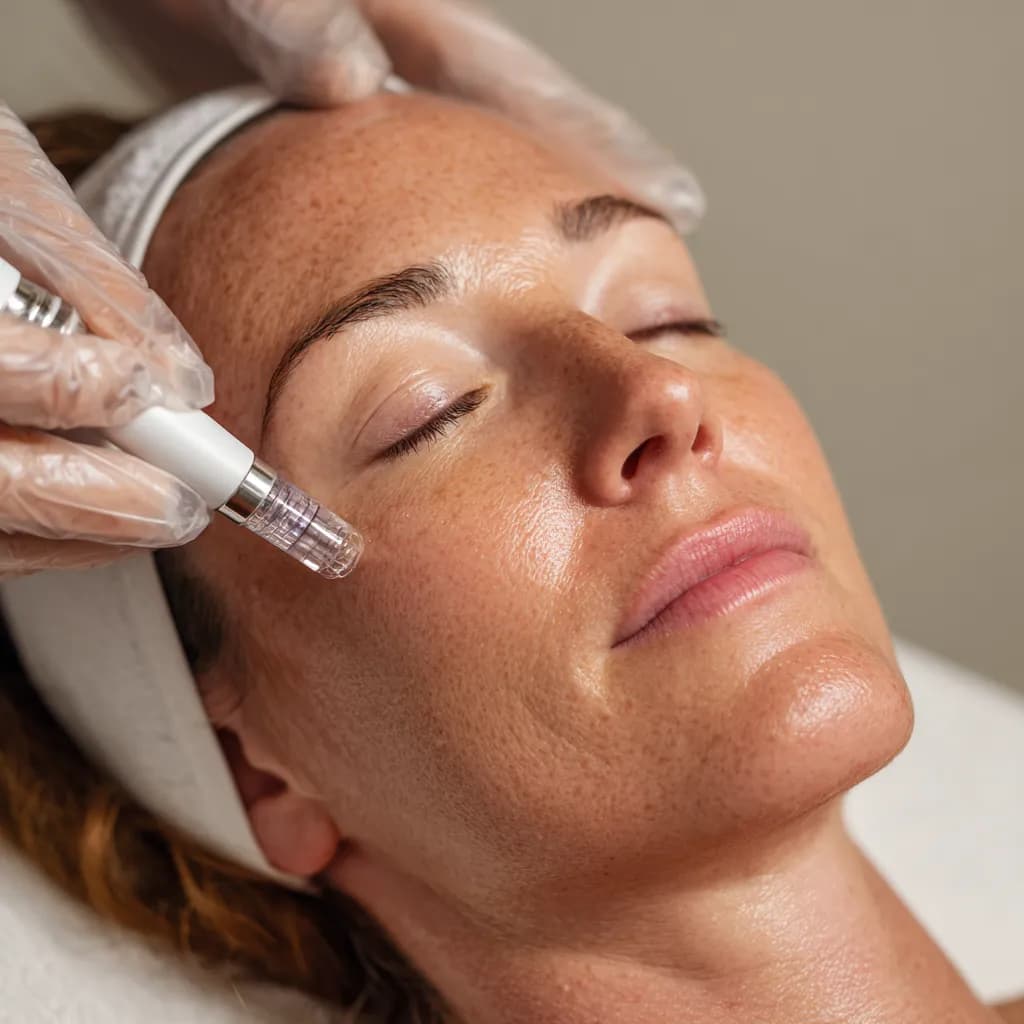
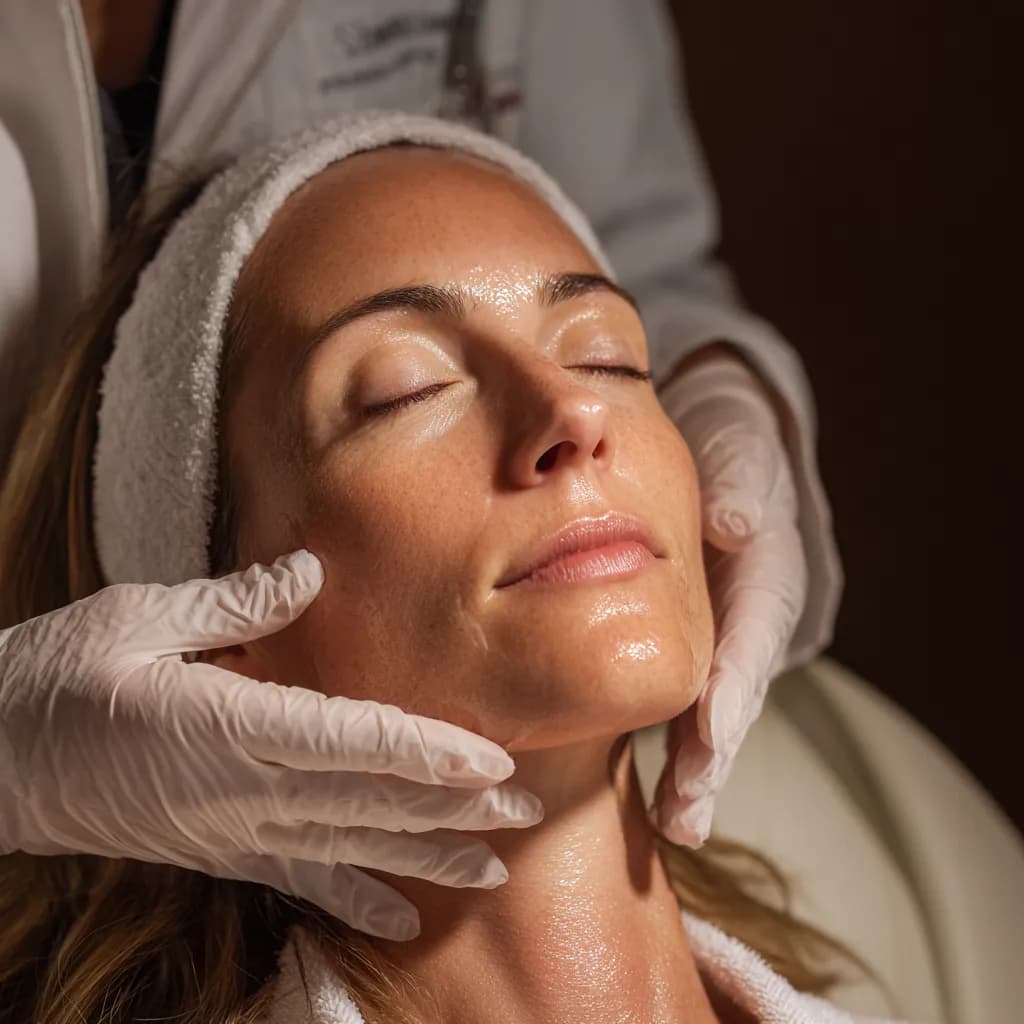
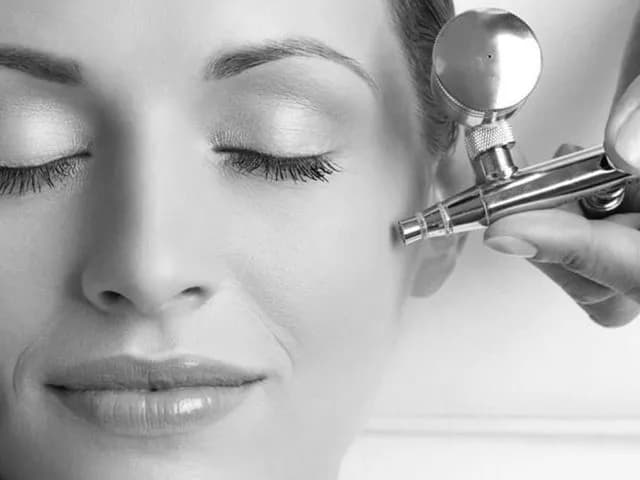
Related Services at Nika Skincare
We offer both treatments — and more. Explore our full range.
FAQ
Dermaplaning vs Microdermabrasion — Common Questions
Everything you need to know about choosing between dermaplaning and microdermabrasion.
We don't recommend doing both on the same day as that's too much exfoliation. However, you can alternate them in your monthly schedule — for example, dermaplaning one month, microdermabrasion the next. This gives you the benefits of both without over-exfoliating.
No — this is the #1 myth about dermaplaning. Vellus hair (peach fuzz) always grows back at the same thickness and rate. Only hormonal changes can alter hair growth. Your dermaplaned skin will simply return to its previous state as the hair regrows.
Dermaplaning is the ideal pre-event treatment. It creates an incredibly smooth canvas for makeup with zero risk of redness or peeling. We recommend scheduling it 1-3 days before your event for best results.
Dermaplaning is generally gentler on sensitive skin since it doesn't involve suction. However, both treatments can work for sensitive skin when performed by an experienced professional who adjusts technique and intensity. During your consultation, we'll assess your skin and recommend the best option.
From Our Blog
Expert Guides & Insights
Dive deeper with our treatment guides and skincare tips.
Not Sure Which Is Right for You?
Book a complimentary consultation with Lida. She'll assess your skin, discuss your goals, and recommend the perfect treatment plan — no pressure, no upselling.