Microdermabrasion vs Chemical Peels
Both resurface your skin for a smoother, brighter complexion — but they work in completely different ways. Here's how to choose the right one.
Microdermabrasion and chemical peels are two of the most popular skin resurfacing treatments available, and clients ask us to compare them every day. Both treatments remove dead skin cells to reveal fresher skin underneath — but they use fundamentally different approaches. Microdermabrasion uses physical exfoliation (diamond-tipped suction), while chemical peels use acid solutions to dissolve the outer skin layers. The best choice depends on your skin type, concerns, downtime tolerance, and goals. Here's our expert breakdown.
Head-to-Head
Microdermabrasion vs Chemical Peels
See how these two treatments compare across every important factor.
| Factor | Microdermabrasion | Chemical Peels |
|---|---|---|
| Method | Physical exfoliation (diamond-tipped suction) | Chemical exfoliation (acid solution) |
| Treatment Time | 45 minutes | 30-60 minutes |
| Downtime | None — resume immediately | 1-7 days (depends on peel depth) |
| Discomfort | Minimal — light suction feeling | Mild to moderate tingling/burning |
| Results Visible | Immediately after treatment | 3-7 days (after peeling completes) |
| Sessions Needed | 4-6 for optimal results | 3-6 depending on peel strength |
| Price Range | $150-$200 per session | $150-$300 per session |
| Best For | Fine lines, dull skin, mild texture | Sun damage, hyperpigmentation, deeper concerns |
| Skin Types | All skin types including sensitive | Most types (caution with darker tones) |
Method
Microdermabrasion
Physical exfoliation (diamond-tipped suction)
Chemical Peels
Chemical exfoliation (acid solution)
Treatment Time
Microdermabrasion
45 minutes
Chemical Peels
30-60 minutes
Downtime
Microdermabrasion
None — resume immediately
Chemical Peels
1-7 days (depends on peel depth)
Discomfort
Microdermabrasion
Minimal — light suction feeling
Chemical Peels
Mild to moderate tingling/burning
Results Visible
Microdermabrasion
Immediately after treatment
Chemical Peels
3-7 days (after peeling completes)
Sessions Needed
Microdermabrasion
4-6 for optimal results
Chemical Peels
3-6 depending on peel strength
Price Range
Microdermabrasion
$150-$200 per session
Chemical Peels
$150-$300 per session
Best For
Microdermabrasion
Fine lines, dull skin, mild texture
Chemical Peels
Sun damage, hyperpigmentation, deeper concerns
Skin Types
Microdermabrasion
All skin types including sensitive
Chemical Peels
Most types (caution with darker tones)
Which Is Right for You?
Best Candidates for Each Treatment
Every treatment has its ideal client. Find out which one fits your needs.
Choose Microdermabrasion If You Want
- First-time advanced treatment clients
- Sensitive skin that can't tolerate chemicals
- People who need zero downtime
- Mild texture and dullness concerns
- Pre-event skin preparation
- Those who want immediate visible results
Choose Chemical Peels If You Want
- Sun damage and age spots
- Moderate to severe hyperpigmentation
- Acne scars and post-inflammatory marks
- Deeper wrinkles and fine lines
- Those willing to have a few days of peeling
- Maximum skin renewal in fewer sessions
Pros & Cons
The Full Picture
Every treatment has trade-offs. Here's an honest look at both.
Microdermabrasion
Pros
- Zero downtime — return to normal activities immediately
- No peeling, redness, or social downtime
- Immediate visible improvement after one session
- Safe for all skin types including sensitive
- Enhances product absorption by up to 50%
- Comfortable, relaxing treatment experience
Cons
- Less dramatic results than deeper peels
- Requires more sessions for significant improvement
- Cannot treat deeper skin concerns
- Results are more subtle and gradual
Chemical Peels
Pros
- More dramatic results per session
- Can treat deeper skin concerns (scars, sun damage)
- Multiple strengths available (superficial to deep)
- Stimulates significant collagen production
- Can dramatically improve hyperpigmentation
- Fewer sessions needed for visible transformation
Cons
- 1-7 days of peeling and social downtime
- Not suitable for very sensitive skin types
- Requires careful sun avoidance after treatment
- Risk of post-inflammatory hyperpigmentation in darker skin tones
Our Expert Recommendation
For most clients, we recommend starting with microdermabrasion if you're new to advanced treatments or have sensitive skin. It's a gentle entry point with zero downtime. If you have specific concerns like sun damage, hyperpigmentation, or acne scars, chemical peels deliver more dramatic results — and we can start with a gentle peel to see how your skin responds before increasing strength. Many of our Orange County clients ultimately benefit from alternating both treatments in their long-term skincare plan.
Our Treatments
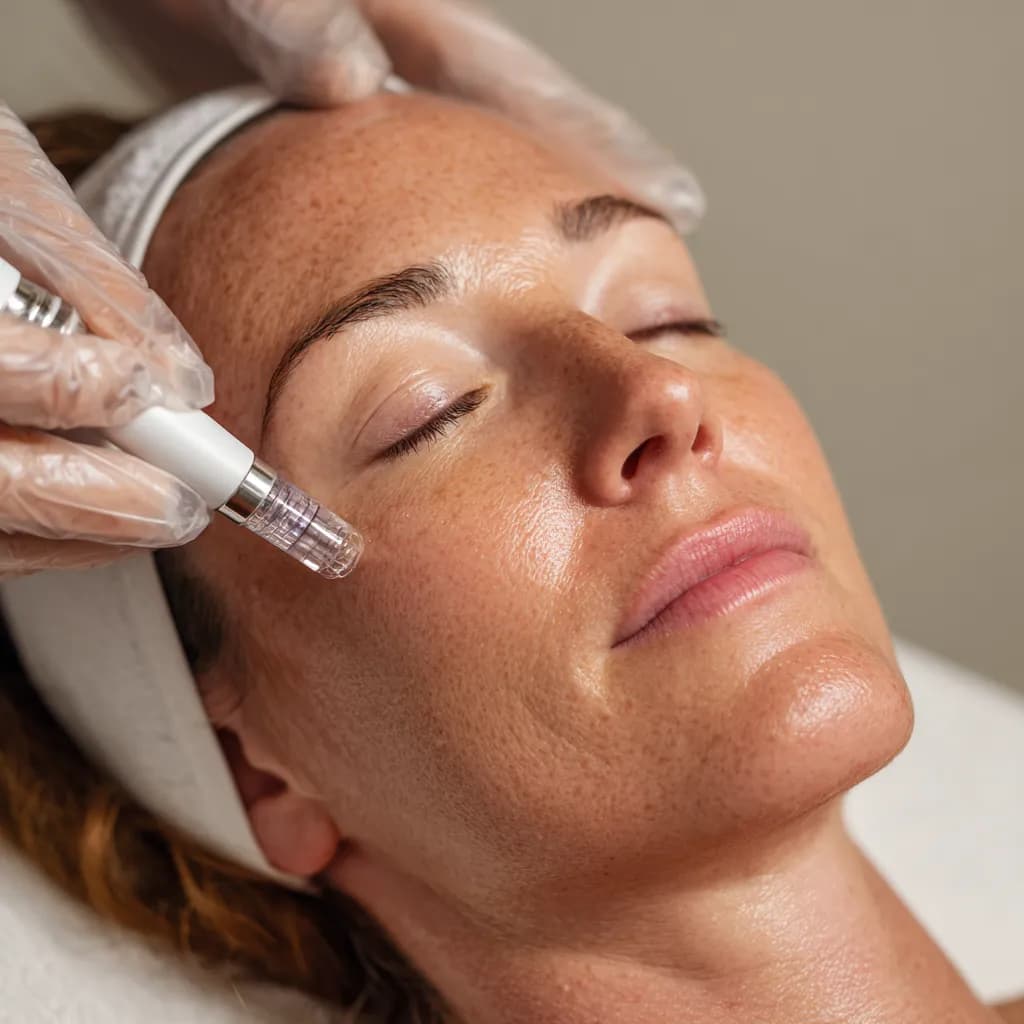
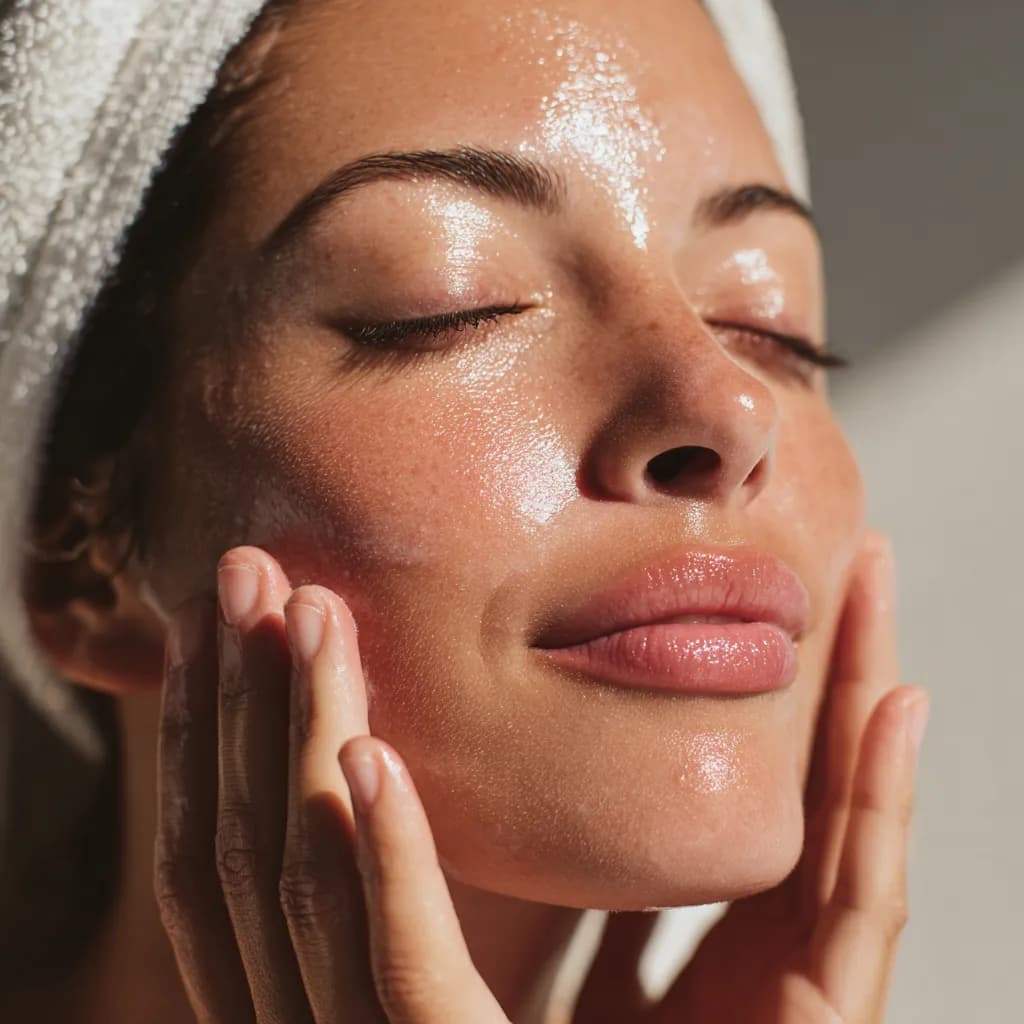
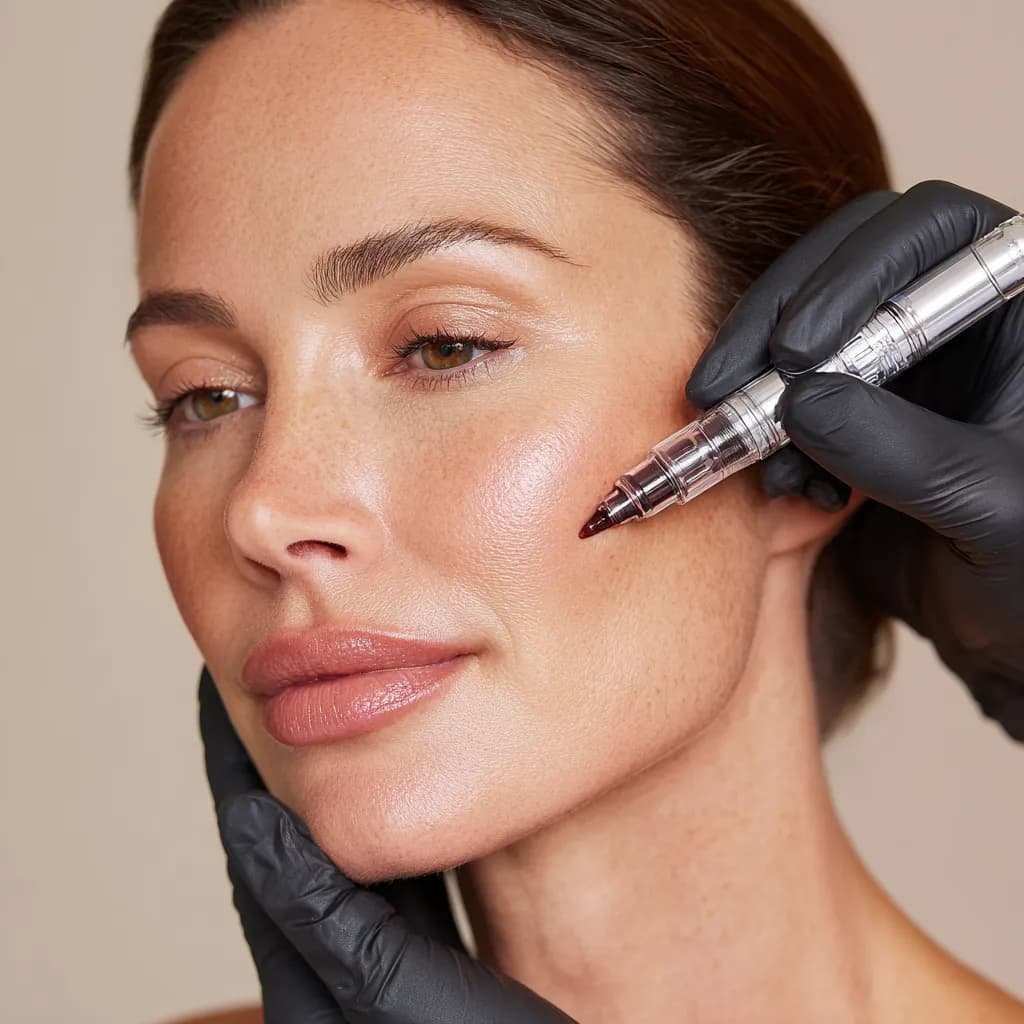
Related Services at Nika Skincare
We offer both treatments — and more. Explore our full range.

FAQ
Microdermabrasion vs Chemical Peels — Common Questions
Everything you need to know about choosing between microdermabrasion and chemical peels.
Yes! Many of our clients alternate between the two treatments. However, they should not be done on the same day. We typically recommend spacing them at least 2 weeks apart. During your consultation, we'll create a customized schedule that incorporates both for optimal results.
For anti-aging, chemical peels generally deliver more dramatic results because they stimulate deeper collagen production and can address fine lines, wrinkles, and sun damage more aggressively. However, microdermabrasion is excellent for maintenance between peel sessions and for clients who can't tolerate downtime.
Microdermabrasion is virtually painless — most clients describe it as a light suction sensation. Chemical peels involve a tingling or mild burning sensation during application, which subsides quickly. Neither treatment requires anesthesia. Pain tolerance varies, but most clients find both very manageable.
Microdermabrasion at Nika Skincare is $150-$200 per session. Chemical peels range from $150-$300 depending on the type and depth. We offer package pricing for treatment series. During your complimentary consultation, we'll recommend the best approach for your budget and goals.
Microdermabrasion has zero downtime — you can apply makeup and resume all activities immediately. Chemical peels have 1-7 days of downtime depending on the peel depth. Superficial peels may cause light flaking for 1-2 days, while medium peels involve more noticeable peeling for 3-5 days.
From Our Blog
Expert Guides & Insights
Dive deeper with our treatment guides and skincare tips.
Not Sure Which Is Right for You?
Book a complimentary consultation with Lida. She'll assess your skin, discuss your goals, and recommend the perfect treatment plan — no pressure, no upselling.